EXPLORE THE IDA 2025 WINNERS - GET INSPIRED BY OUTSTANDING DESIGN!
Share on Social Media
Three Corners of the City, Swinburne University of Technology, School of Design and Architecture | International Design Awards Winners

Three Corners of the City

CompanySwinburne University of Technology, School of Design and Architecture
Lead DesignersJames Berrett
Design TeamJames Berrett, Sonja Pedell, Simone Taffe
ClientCity of Casey
Prize(s)Gold in Multimedia / Interactive Media, Silver in Multimedia / Animation
Project LinkView
Entry Description

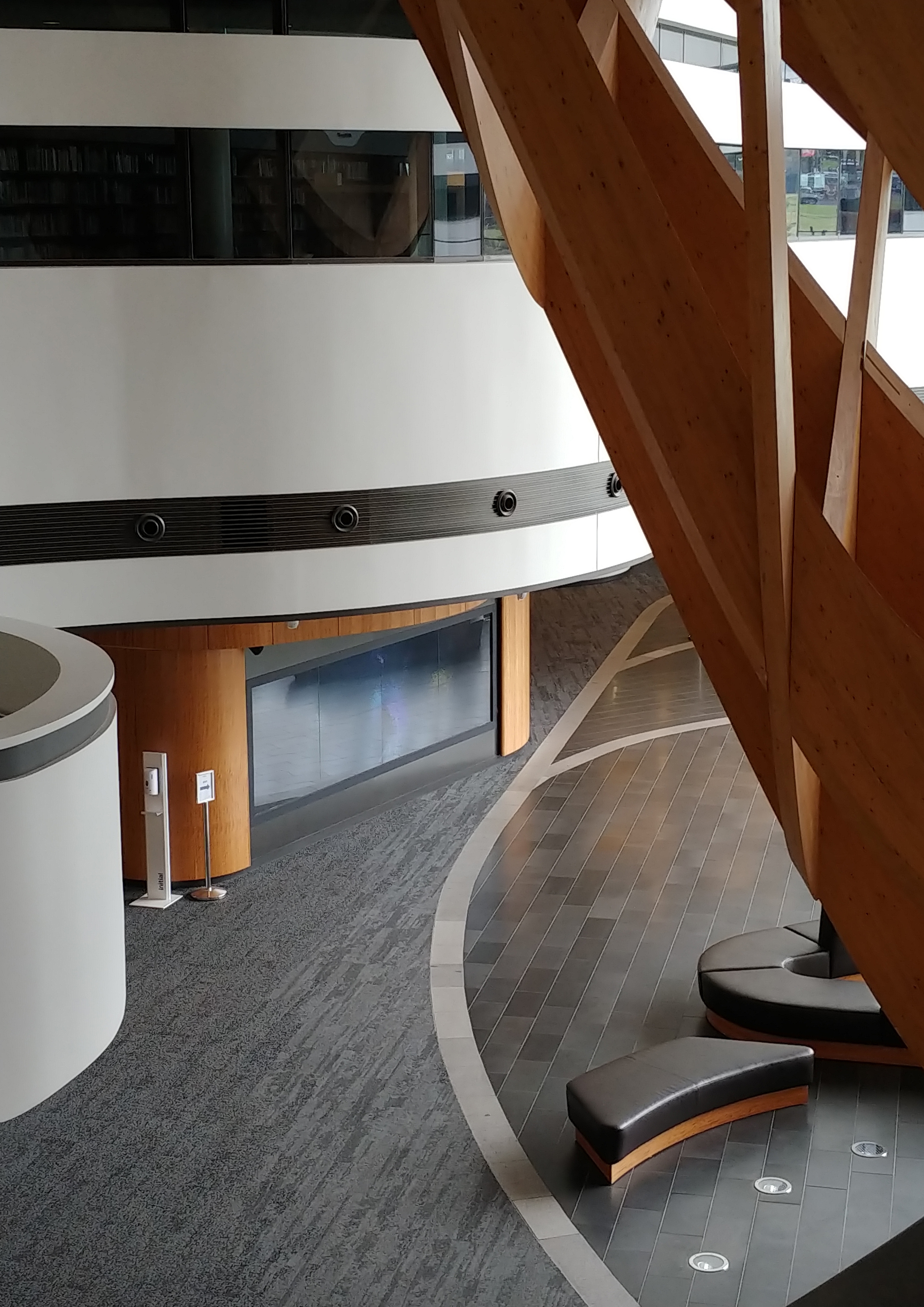
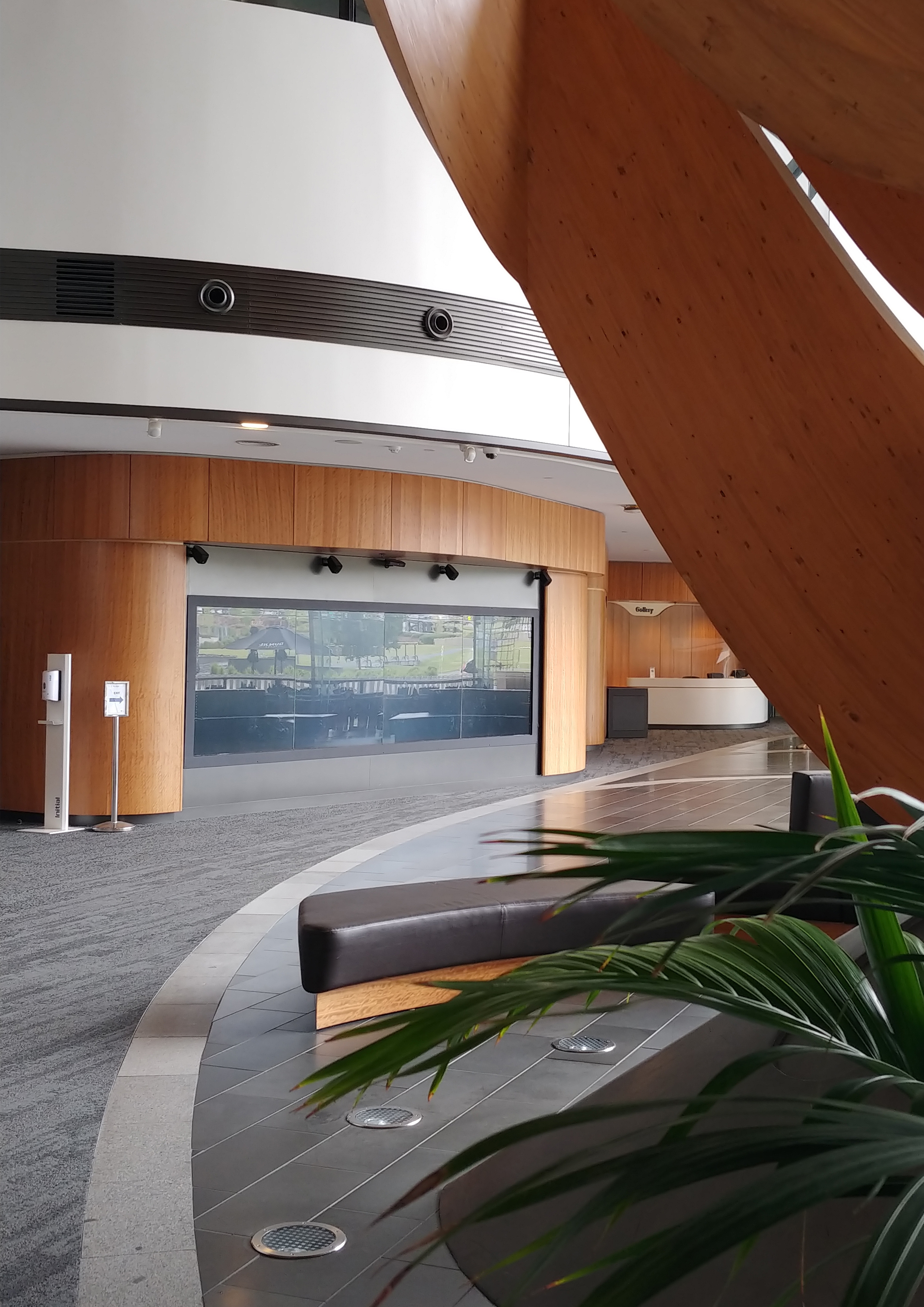
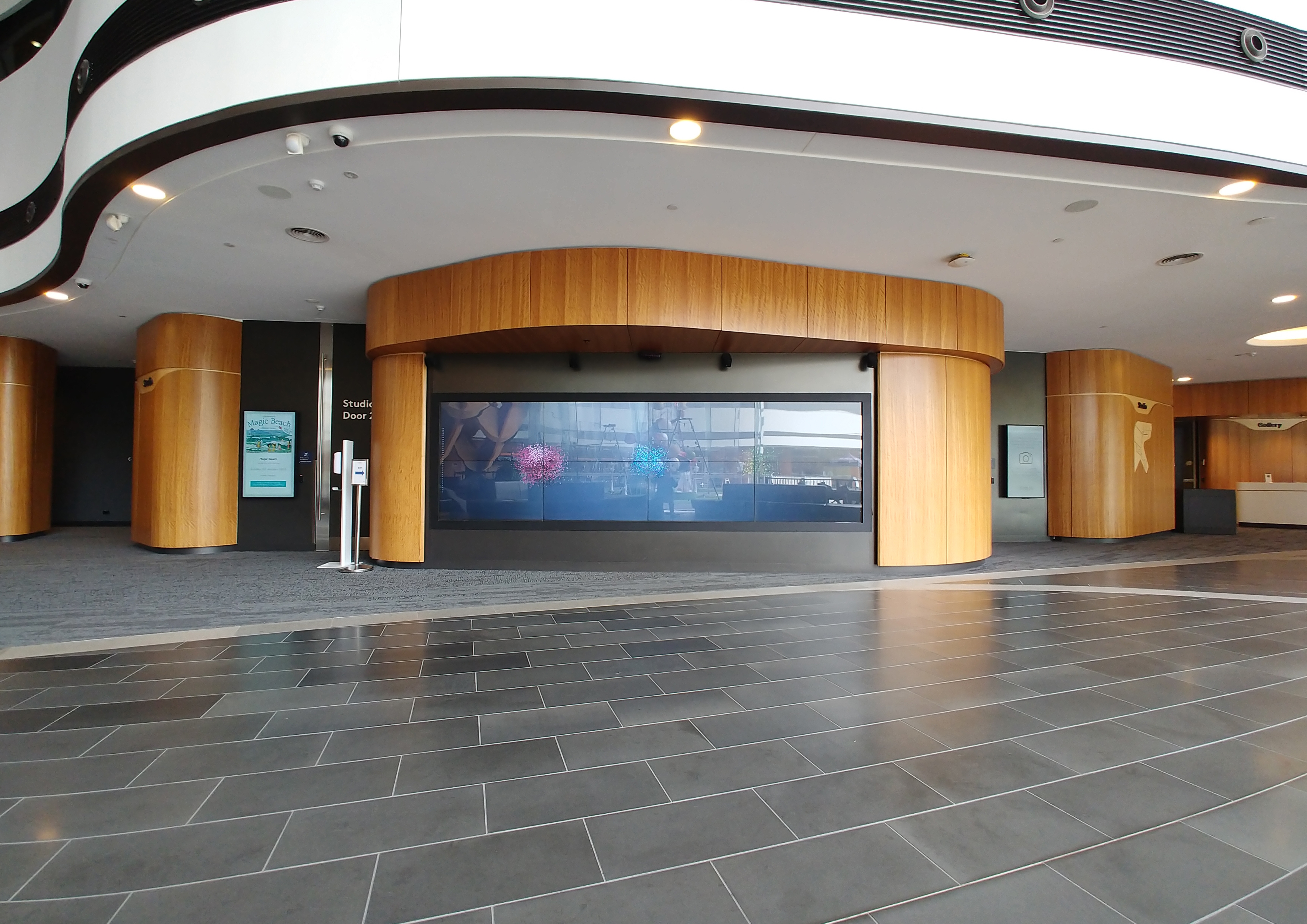
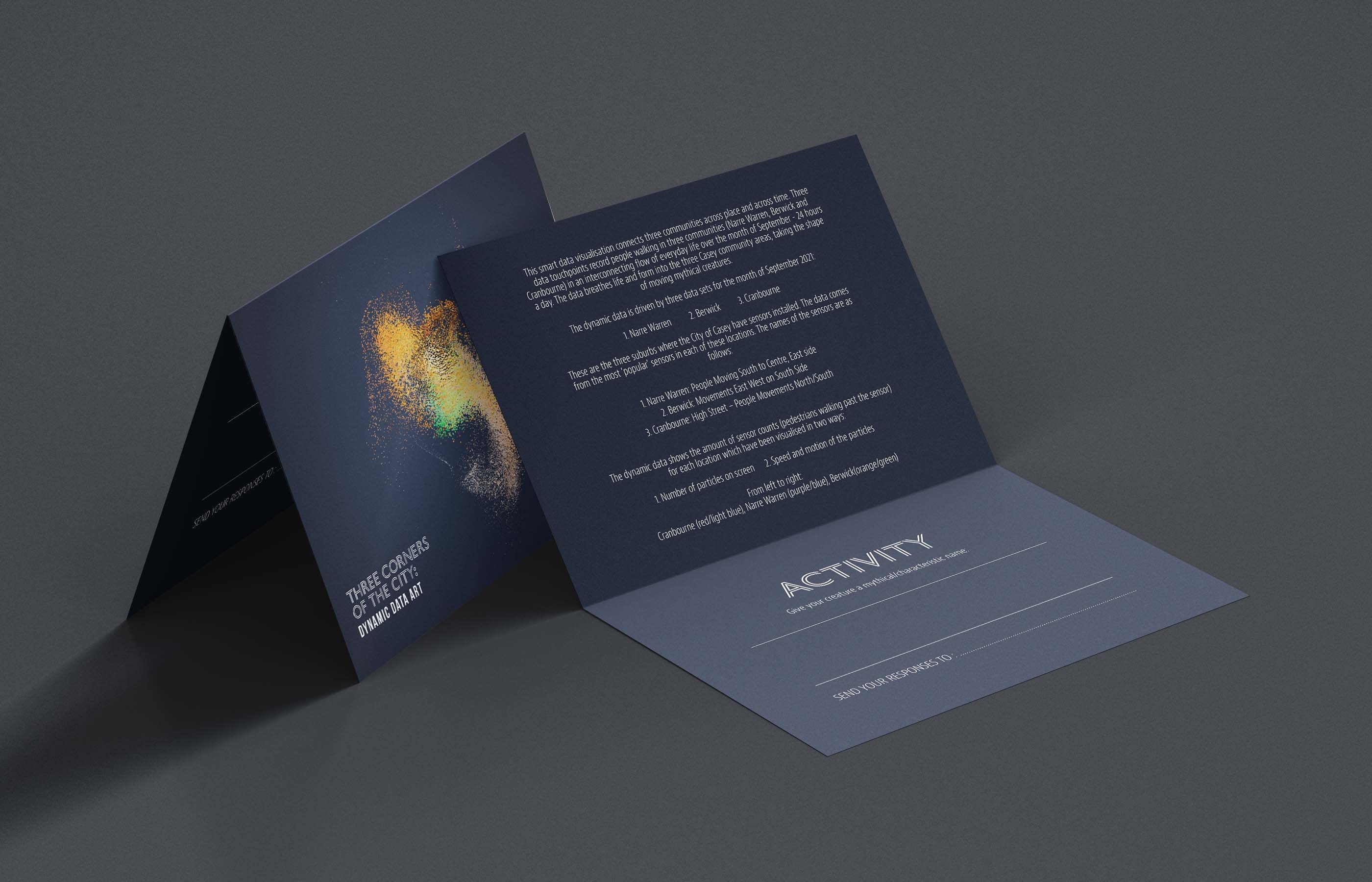
Three Corners of the City is a real-time interactive data visualisation displayed on a large-scale media wall that connects three local communities in Melbourne across place and across time. Live data touchpoints record people walking in each community in an interconnecting flow of everyday life, breathing life and form into dynamically evolving motion graphics. The project engages the communities with smart city data visualising it in aesthetically pleasing and tangible ways. Postcards were also designed for community members to engage further with the work in the form of citizen activations.