EXPLORE THE IDA 2025 WINNERS - GET INSPIRED BY OUTSTANDING DESIGN!
Share on Social Media
The Beikun Garden, RUAN Studio, School of Design, Shanghai Jiao Tong University  | International Design Awards Winners

The Beikun Garden

CompanyRUAN Studio, School of Design, Shanghai Jiao Tong University
Lead DesignersXing Ruan
Design TeamXing Ruan, Yang Zhang (planting), Dongmin Zhao, Fanqiang Kong (brass work), Xiongyin Wu, Shaobo Lu, Huichao Luo (Site supervision)
Project LocationShanghai, China
ClientShanghai Jiao Tong University
CreditsPhoto by Shengliang Su
Prize(s)Silver in Landscape Architecture / Educational / Cultural Spaces, Silver in Landscape Architecture / Community Spaces / Parks
Entry Description

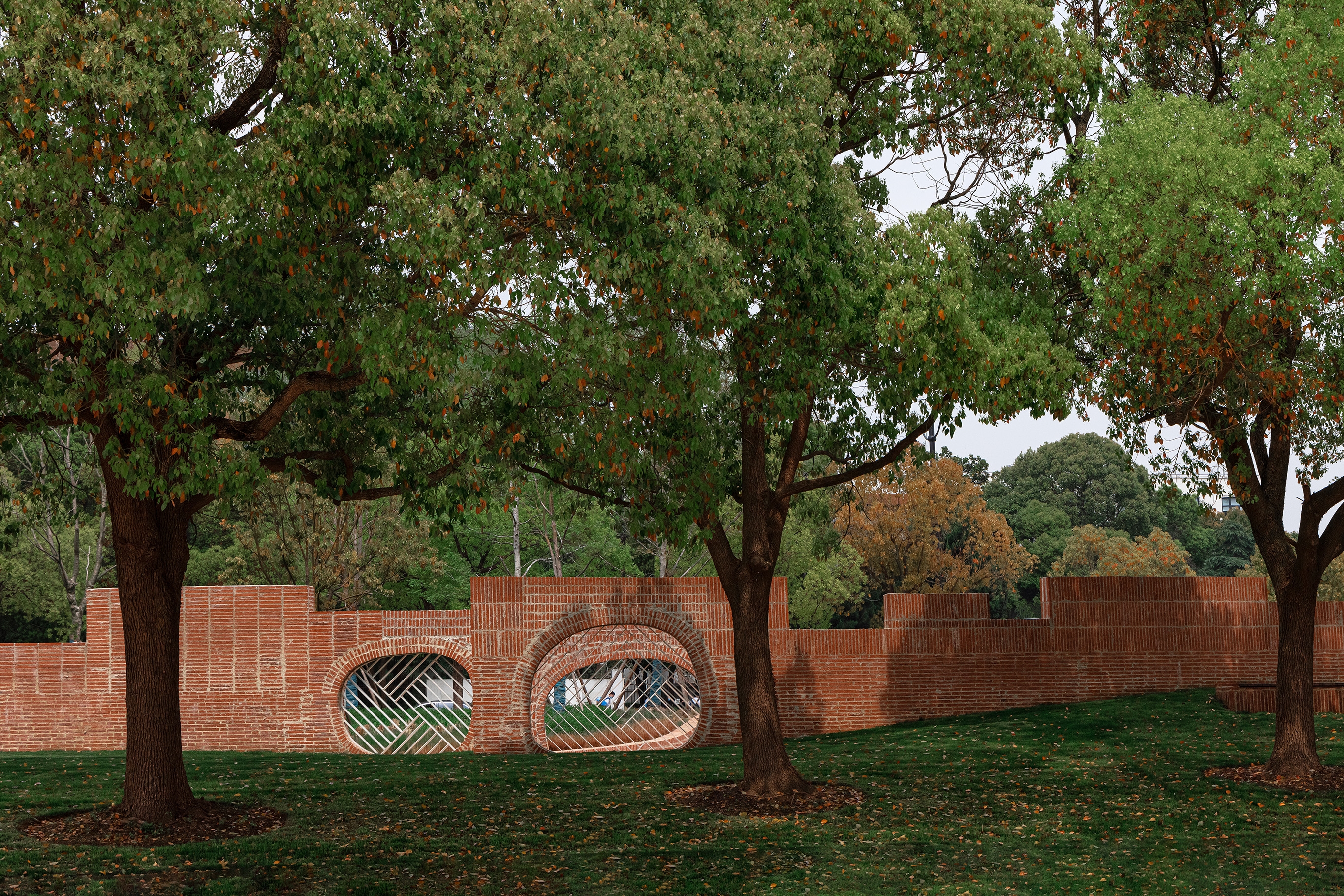
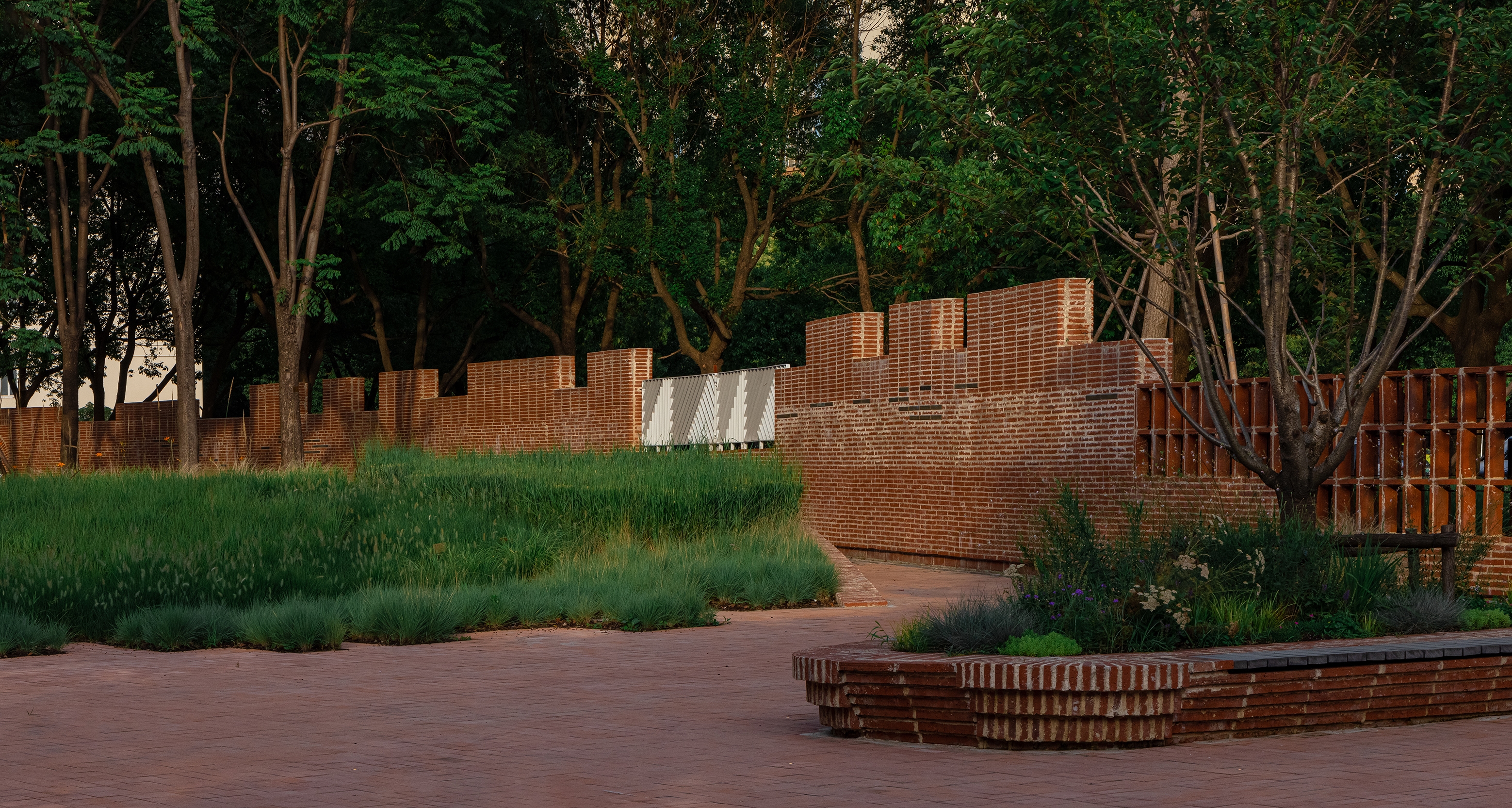
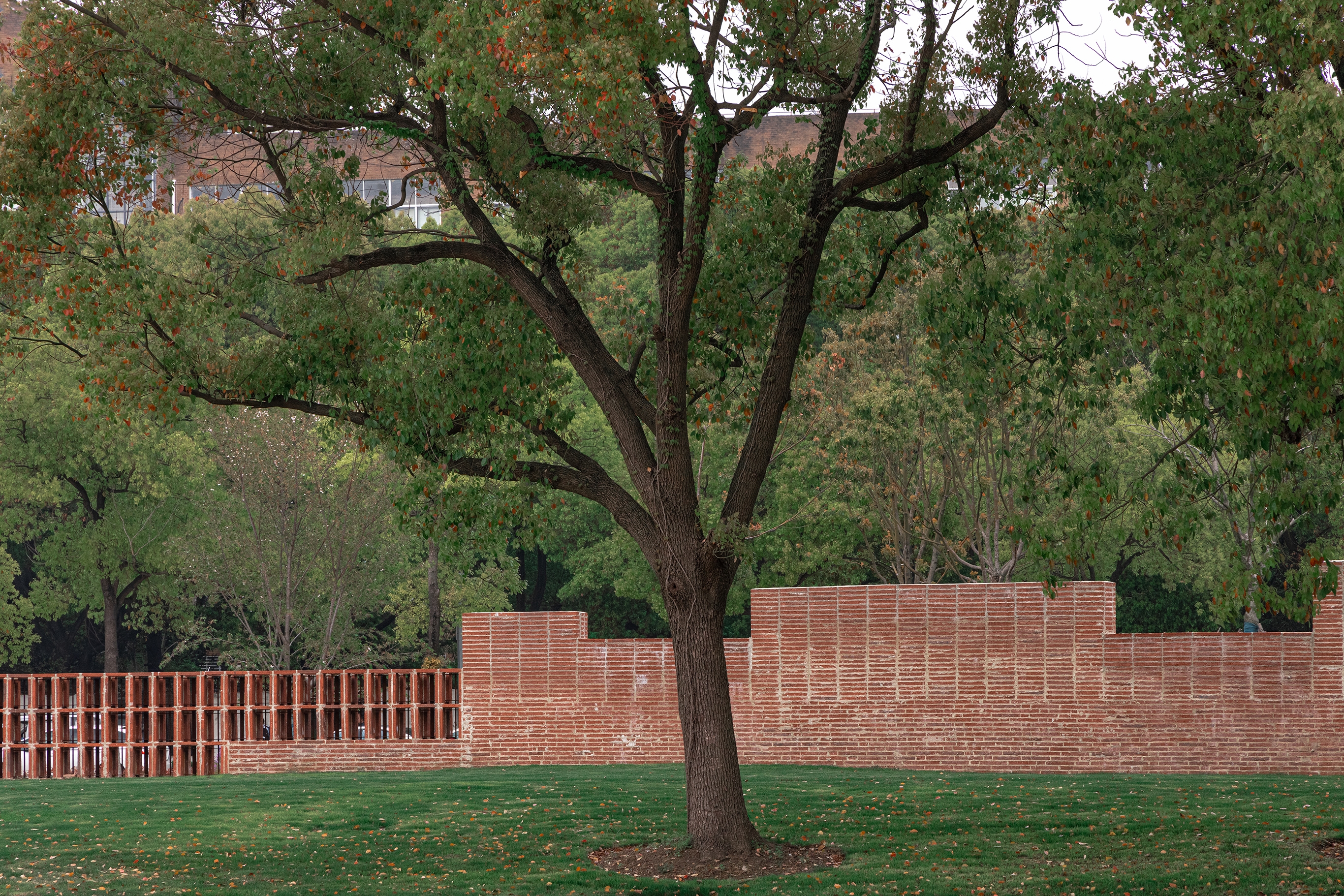
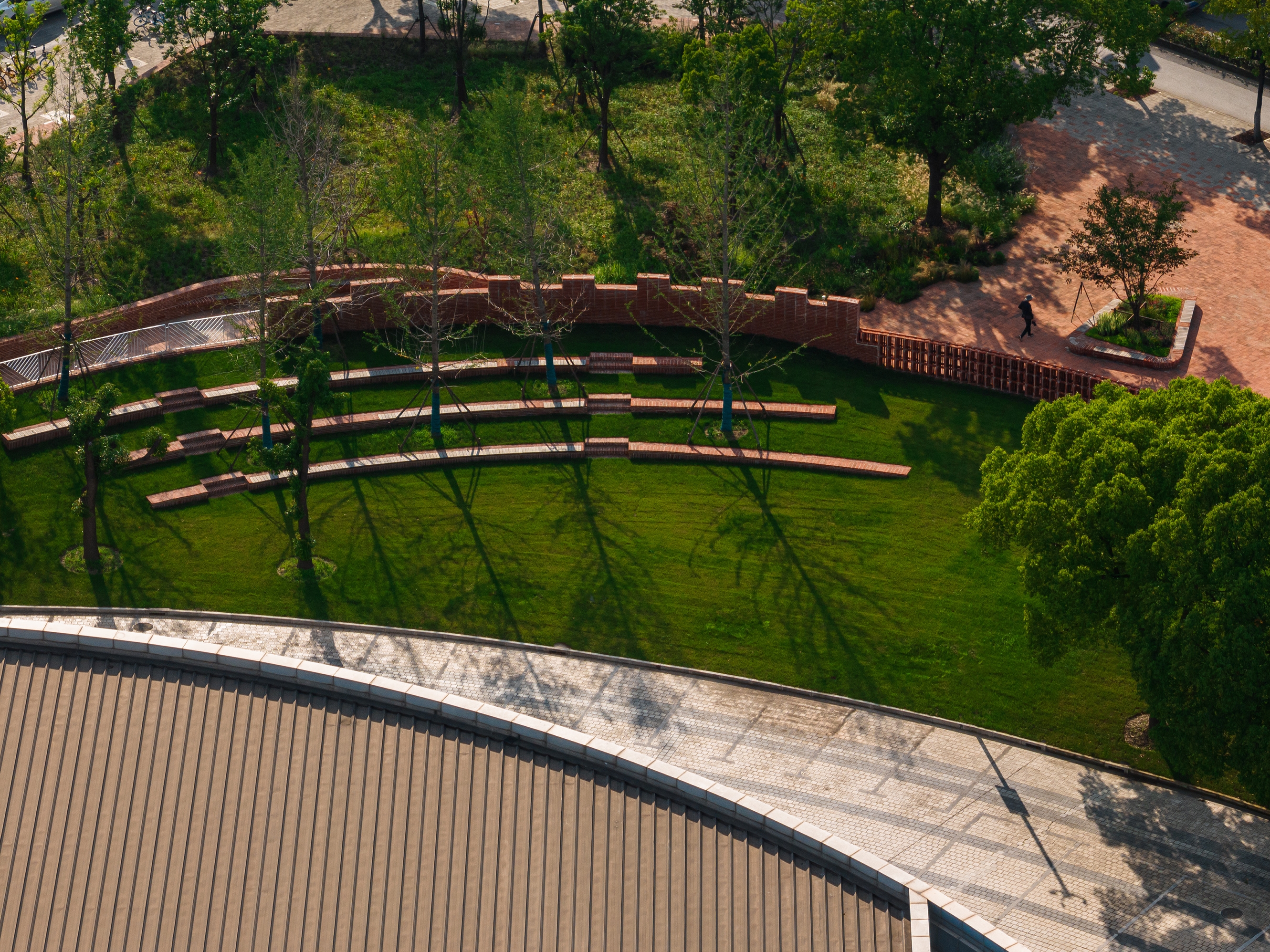
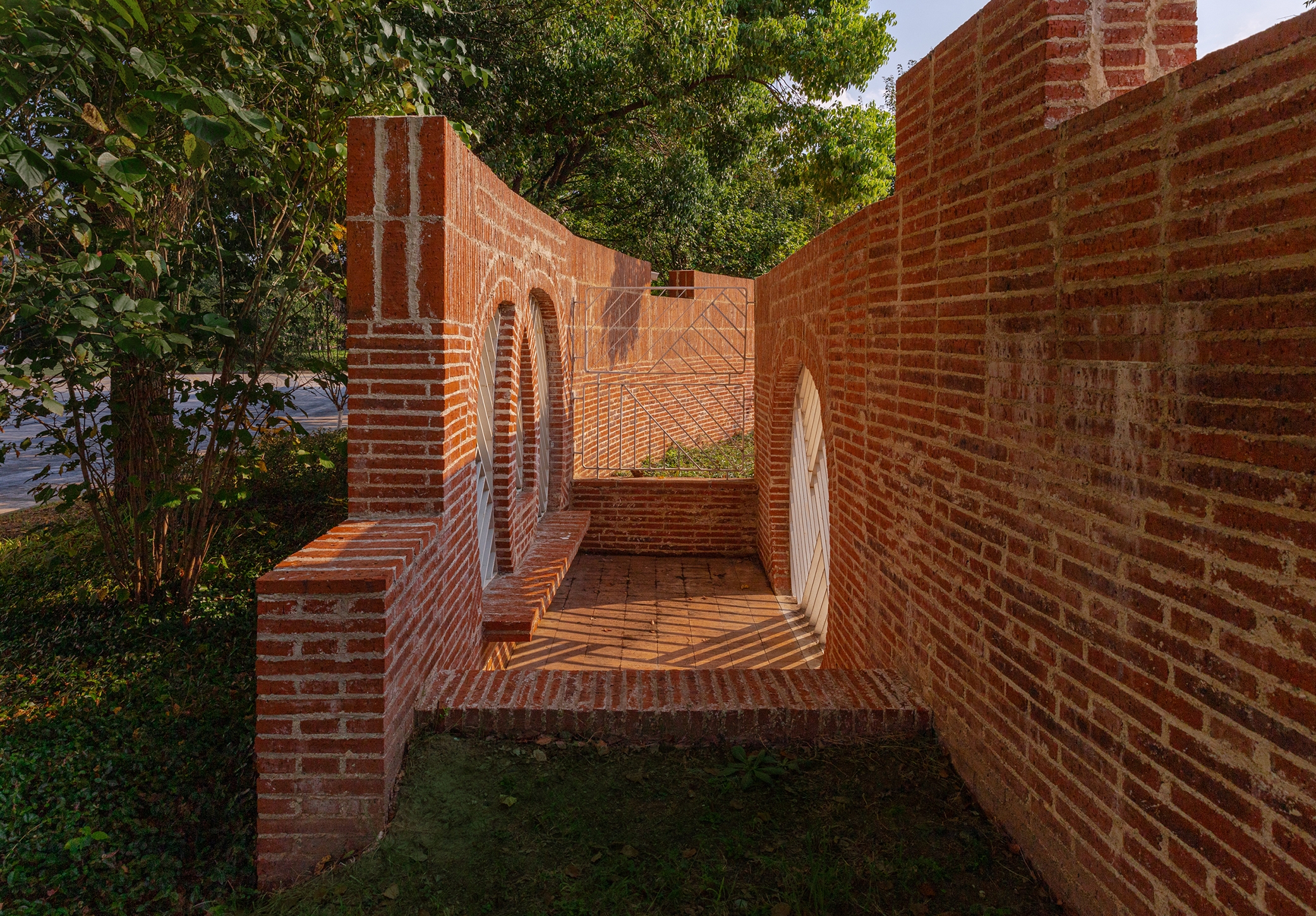
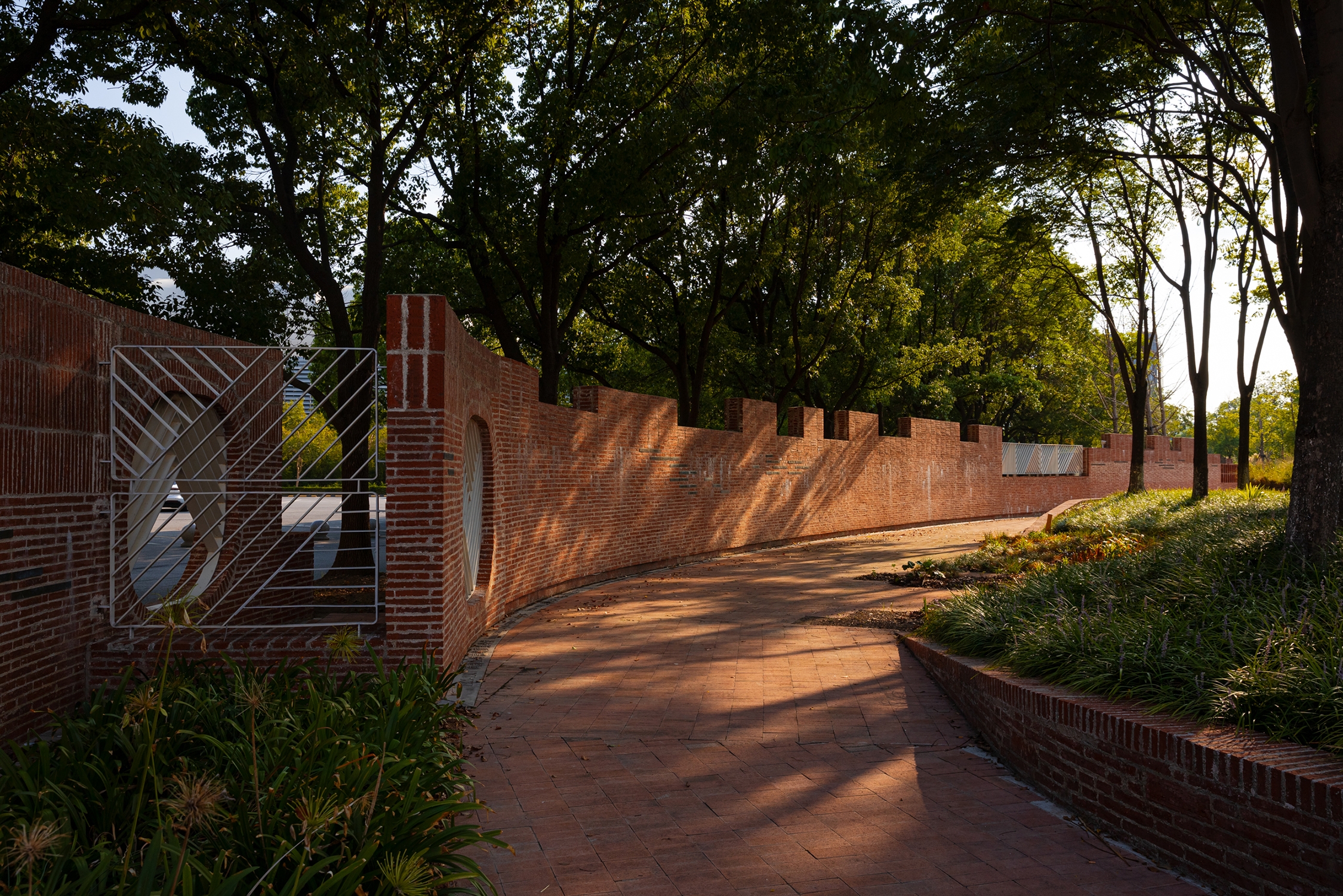
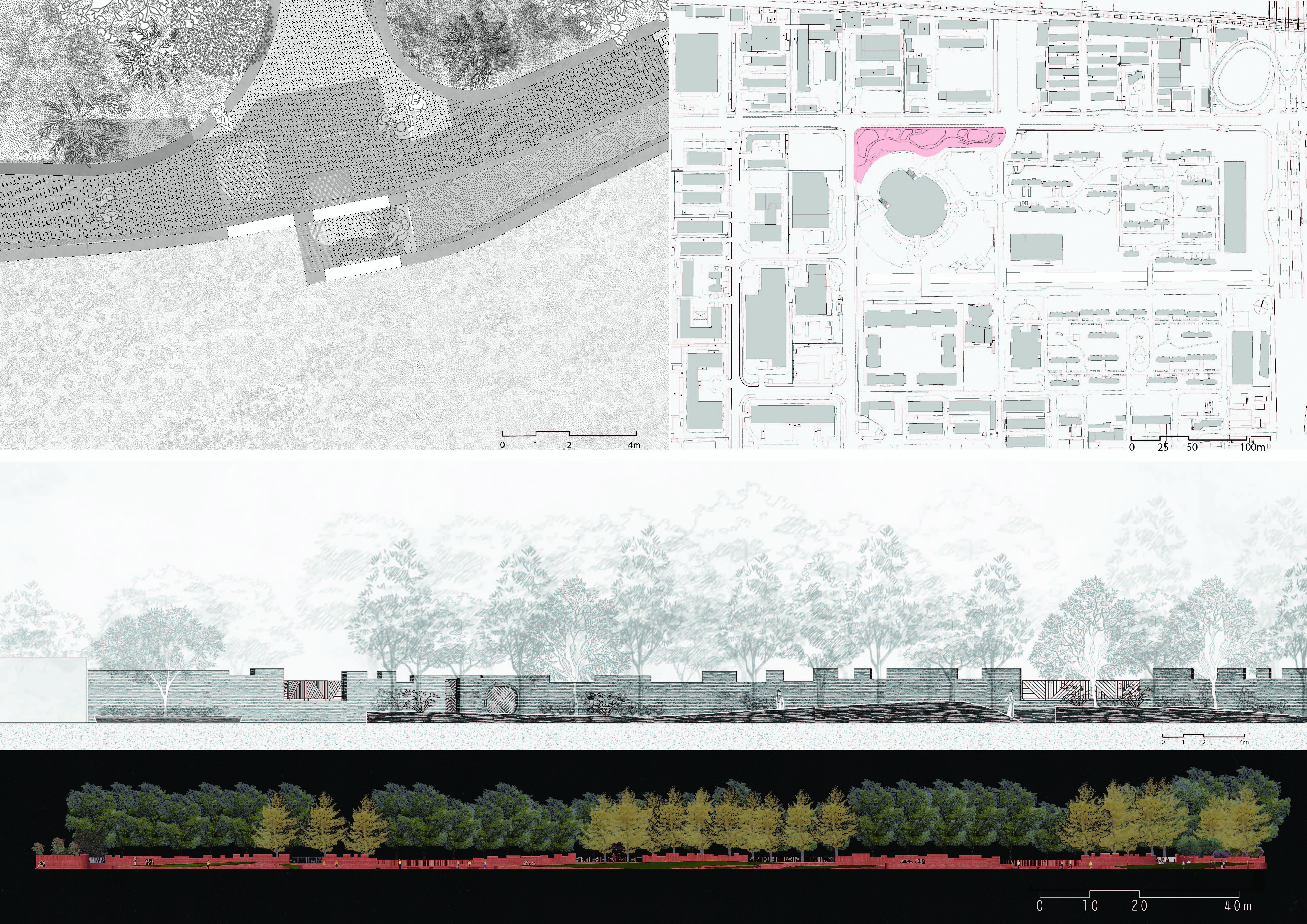
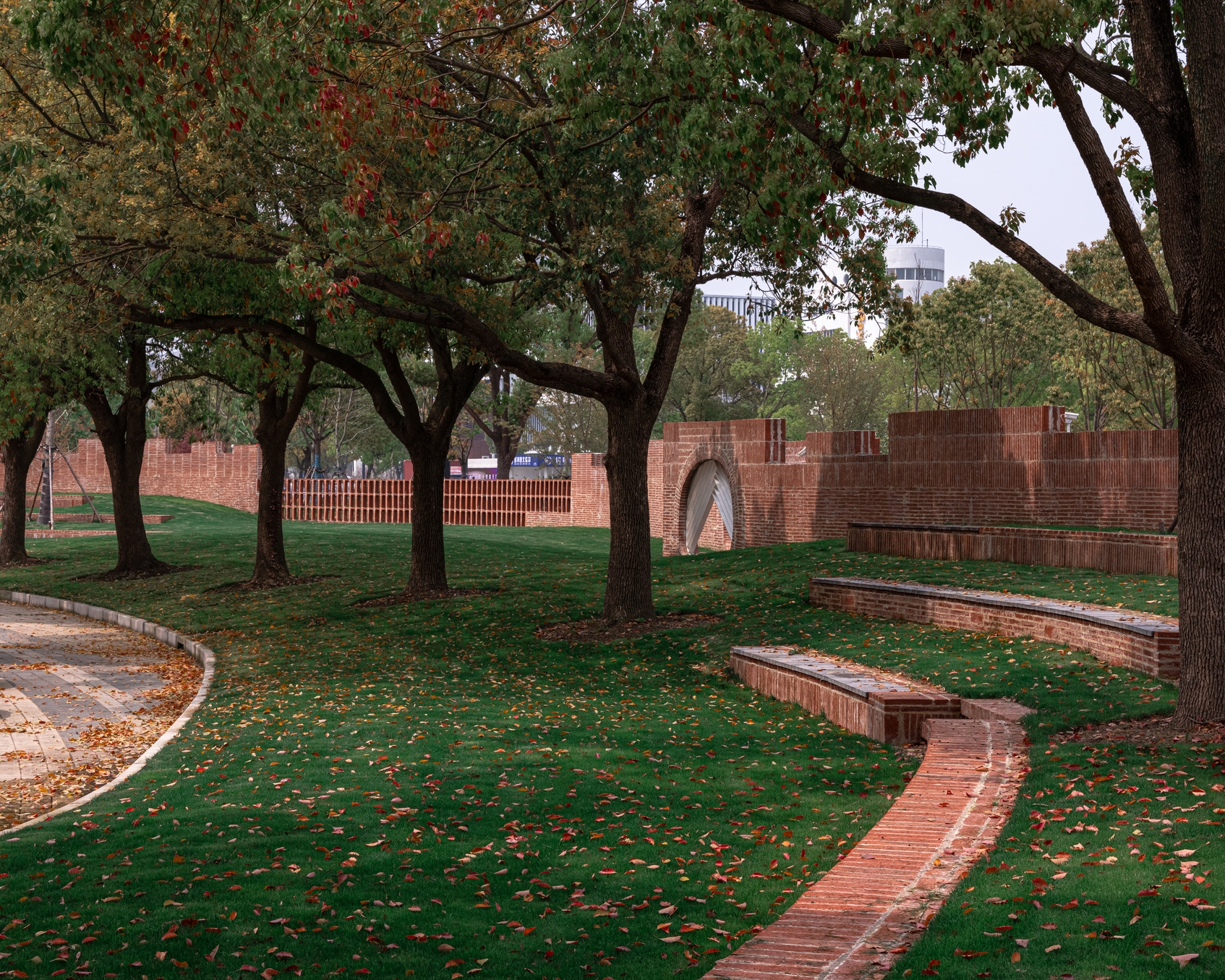
Boundary walls are ubiquitous in China, serving to form enclosure. The Beikun Garden is a winding 300-metre-long campus wall with seen-through sections, and places for sitting and wondering. While the university retains its walled segregation, the landscapes inside and outside the campus form a continuum. This makes the wall a philosophical paradox.

The paradox also lies in the languid use of the useless – the passé fortification of the battlements and the warmth of the coarse brick fabric, imbuing the wall garden with a “legitimacy” of time and history.