EXPLORE THE IDA 2025 WINNERS - GET INSPIRED BY OUTSTANDING DESIGN!
Share on Social Media
La Cité des Climats et des vins de Bourgogne, Emmanuelle Andreani Architectes | International Design Awards Winners

La Cité des Climats et des vins de Bourgogne

CompanyEmmanuelle Andreani Architectes
Lead DesignersEmmanuelle Andreani Architectes
Project LocationBeaune, Burgundy
ClientVille de Beaune
CreditsPhoto
Prize(s)Gold in Sustainable / Green Architecture Design / Sustainable Cultural/Institutional Design, Silver in Building Of The Year / Cultural
Project LinkView
Entry Description

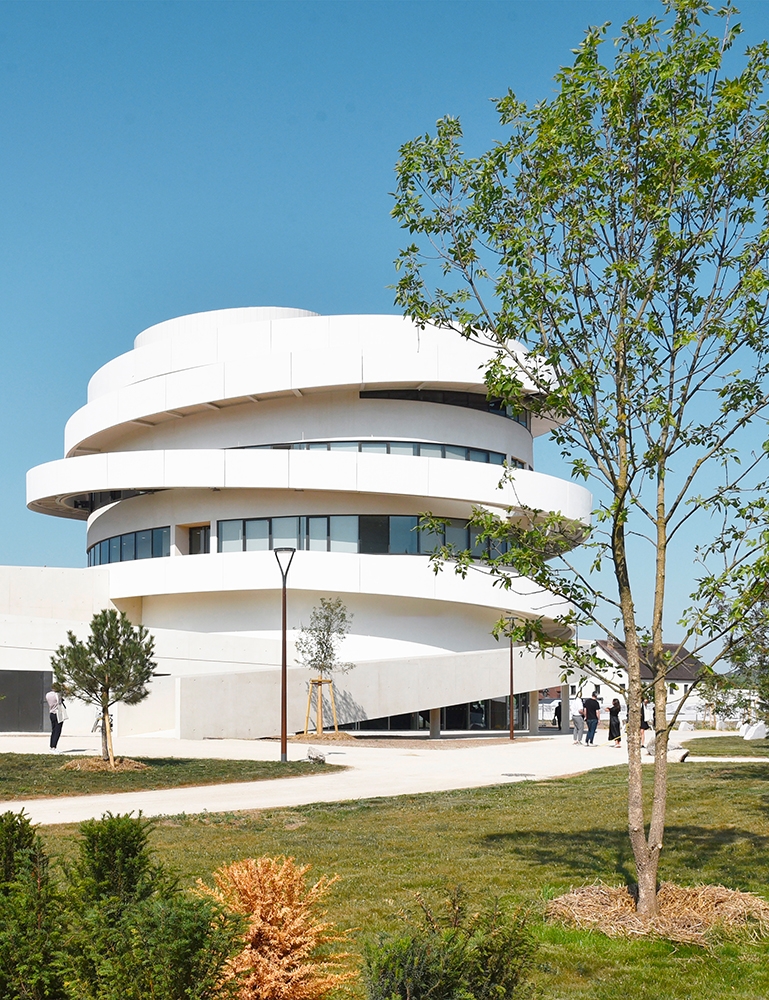
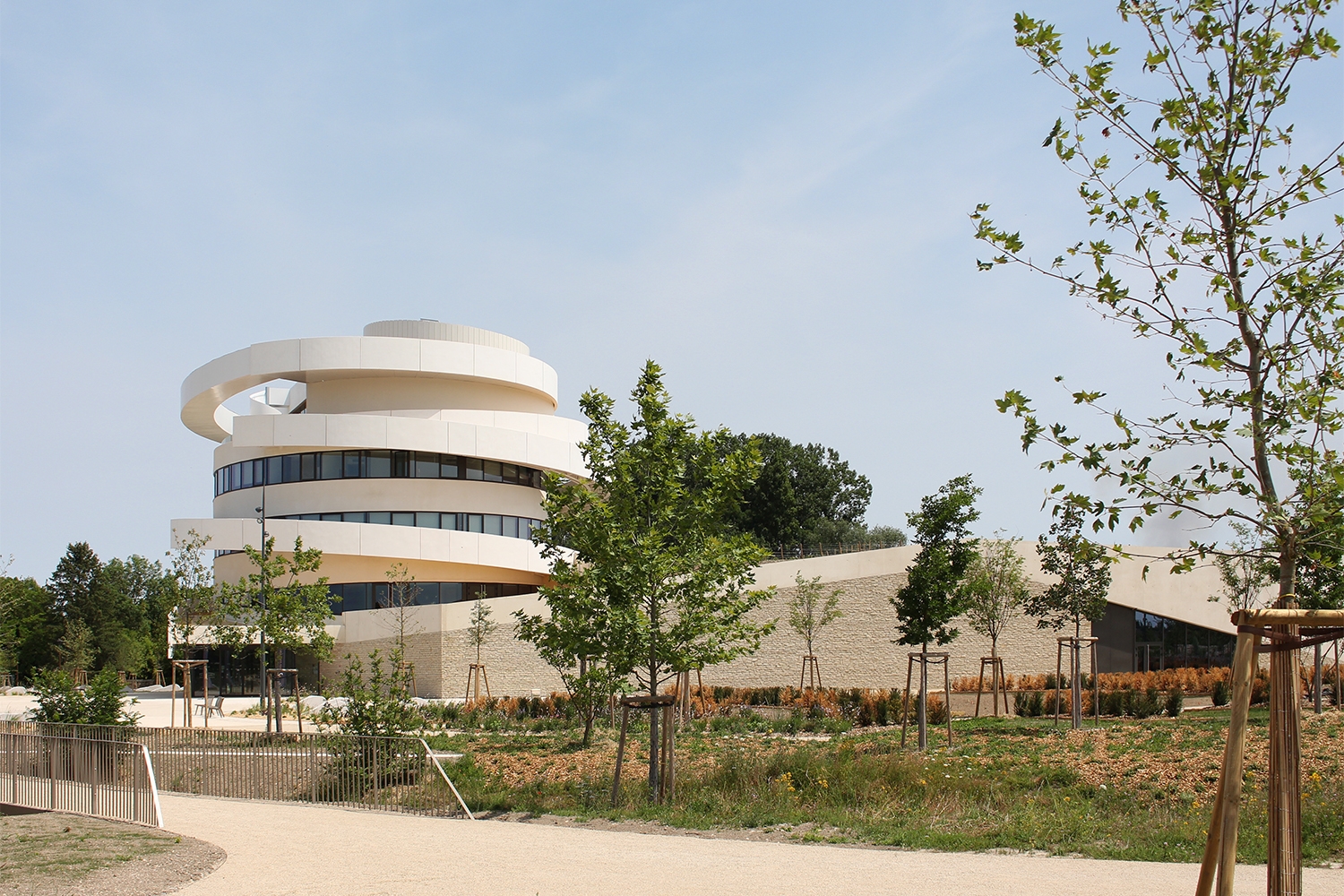
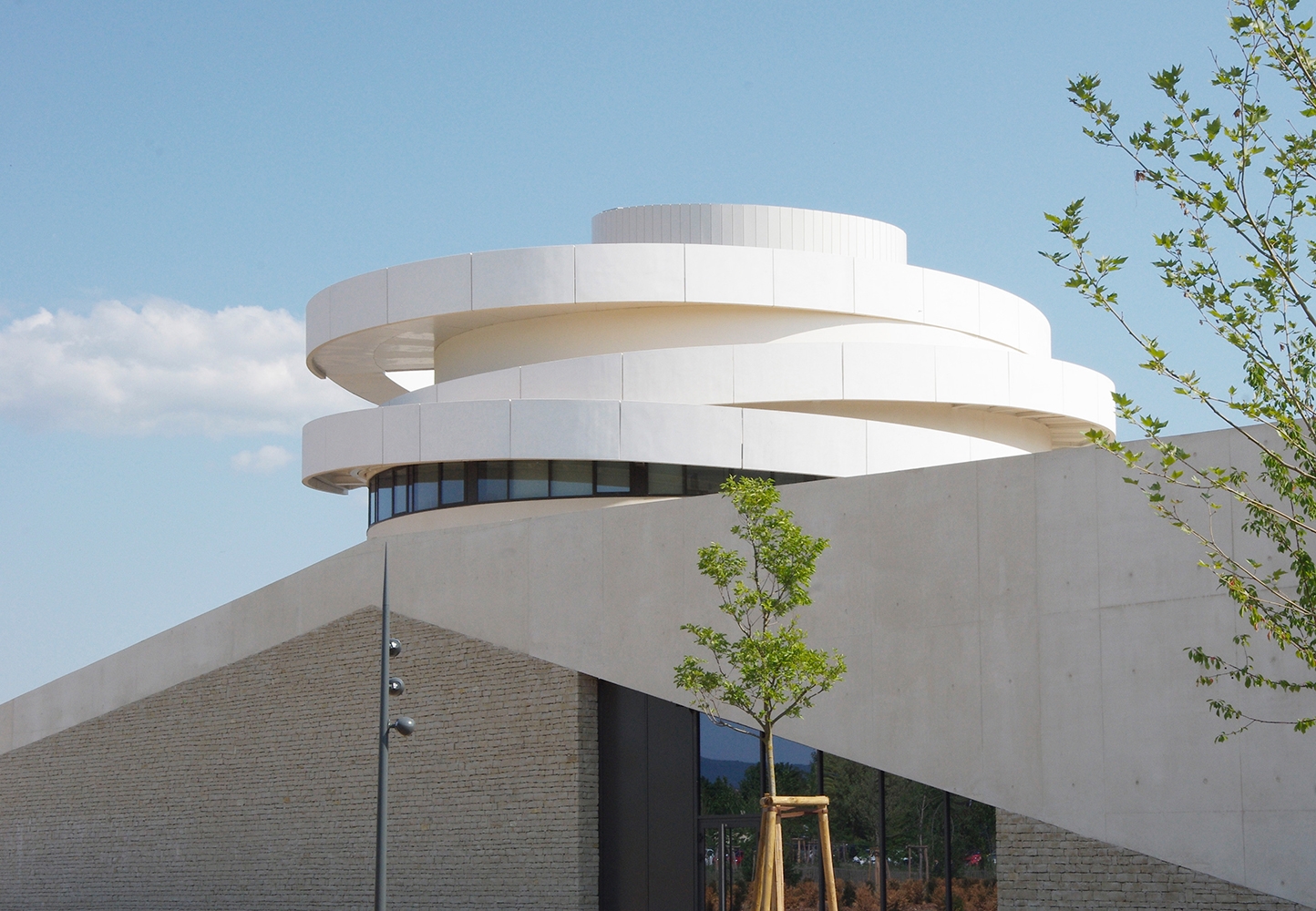
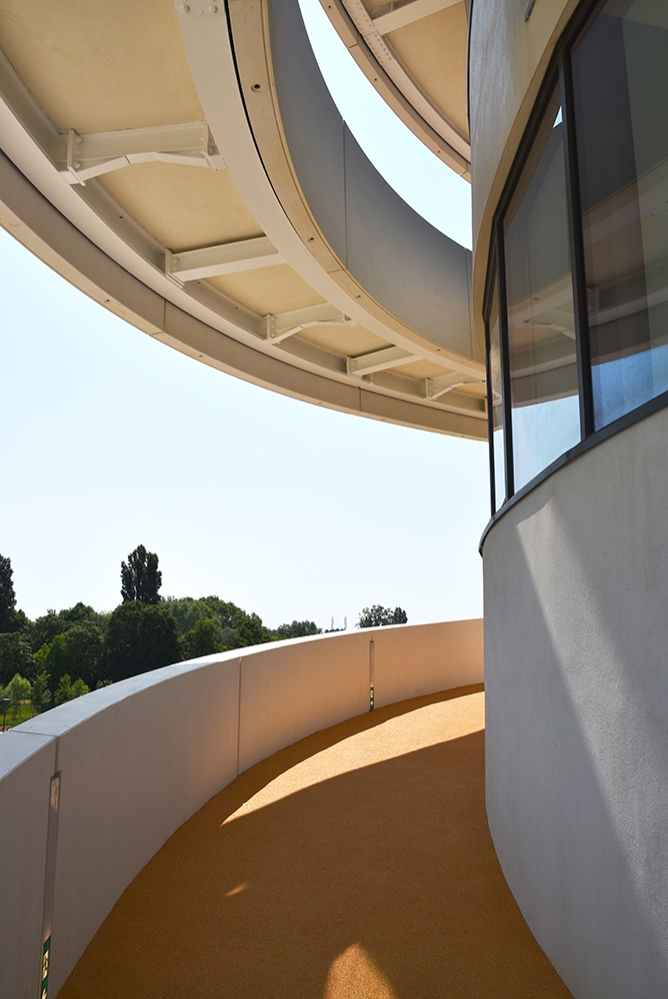
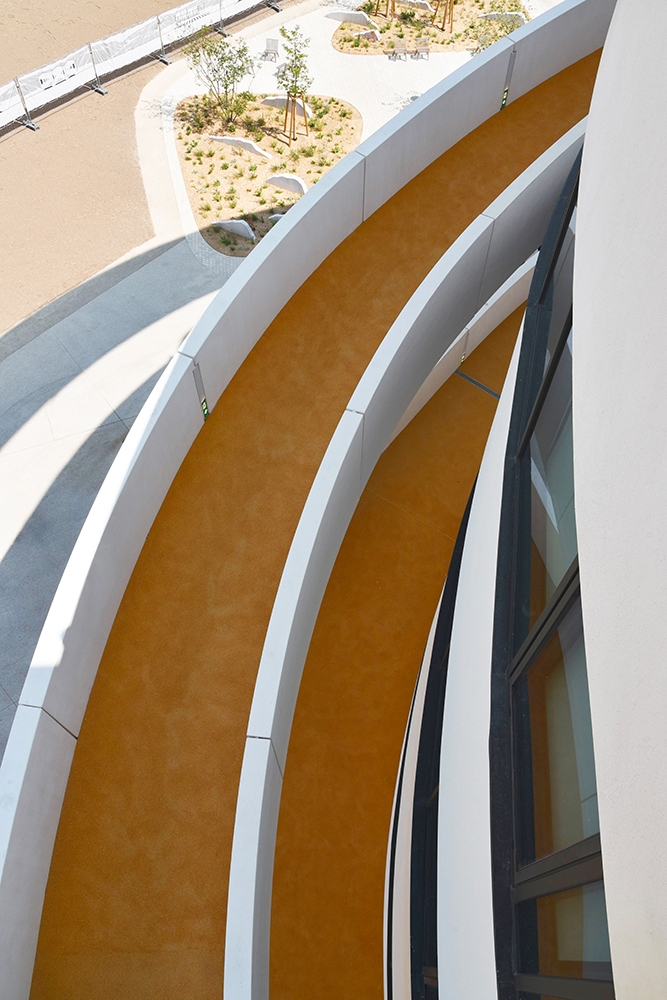
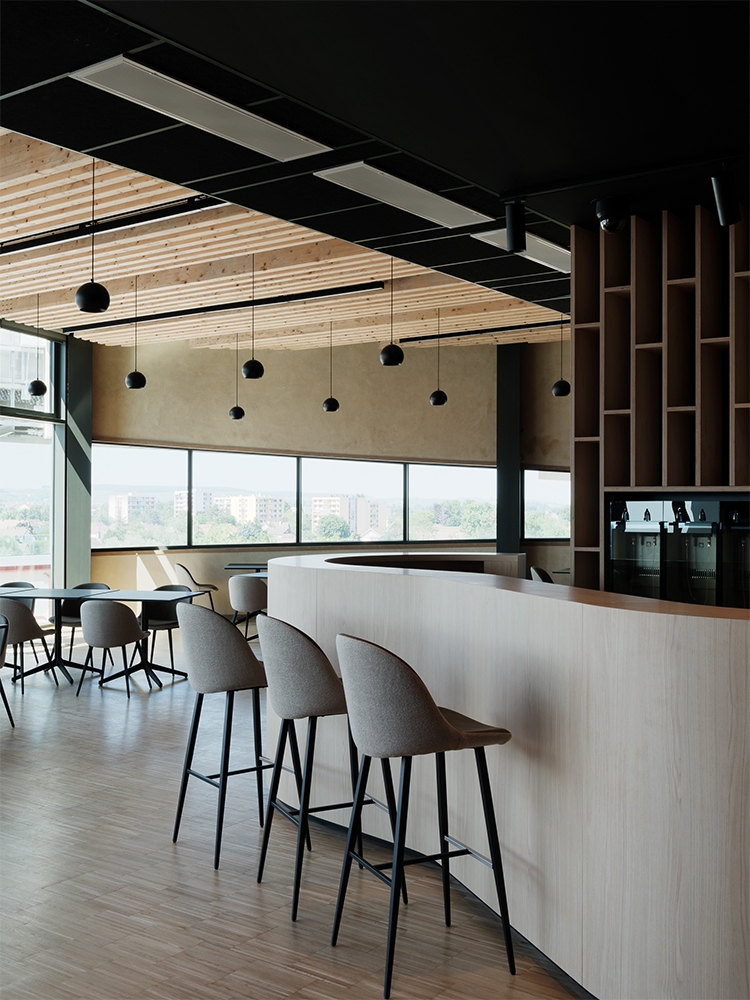
The “Cité des Climats et des vins de Bourgogne” is a landscape-building close to the historic city center of Beaune, known for its emblematic centuries-old cellars. The building promotes history, culture, and wine heritage. It also promotes the inscription of the “Climats” of Burgundy winegrowing region on UNESCO’s World Heritage List.
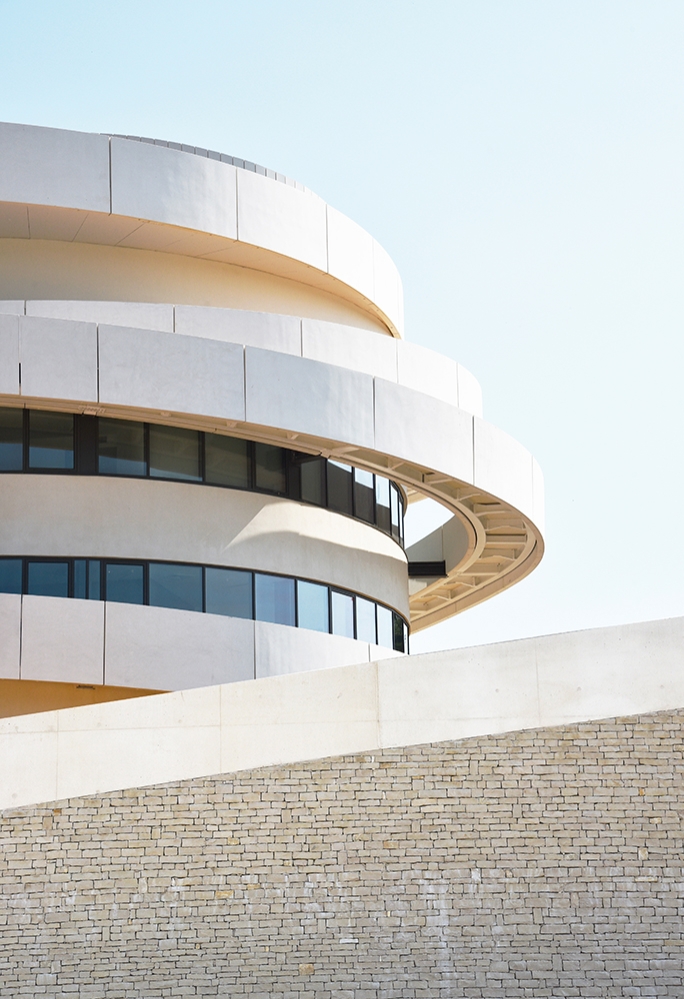
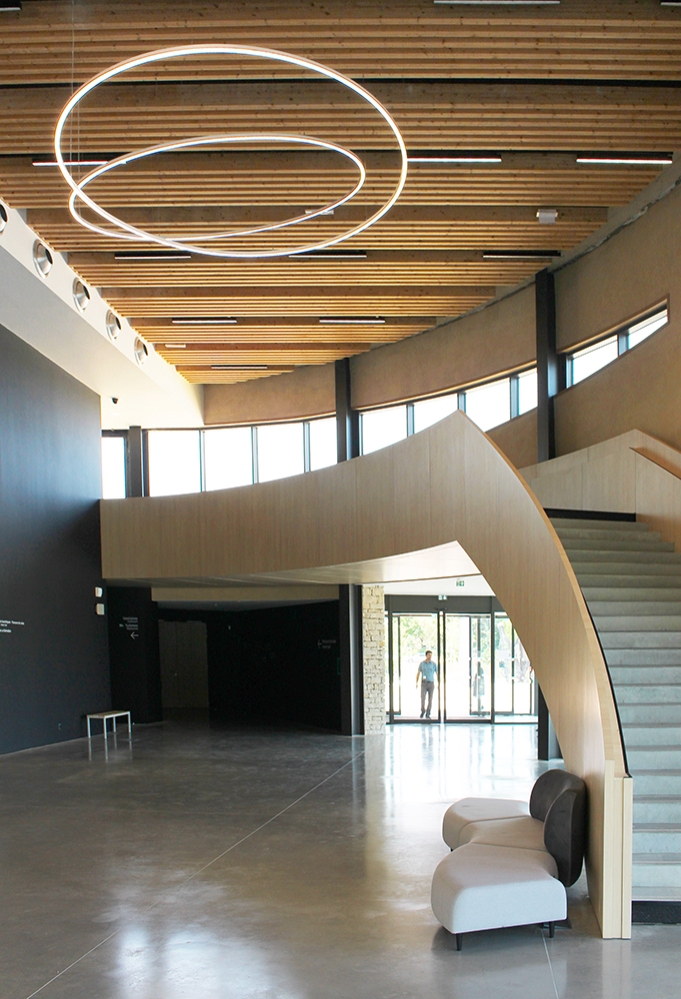
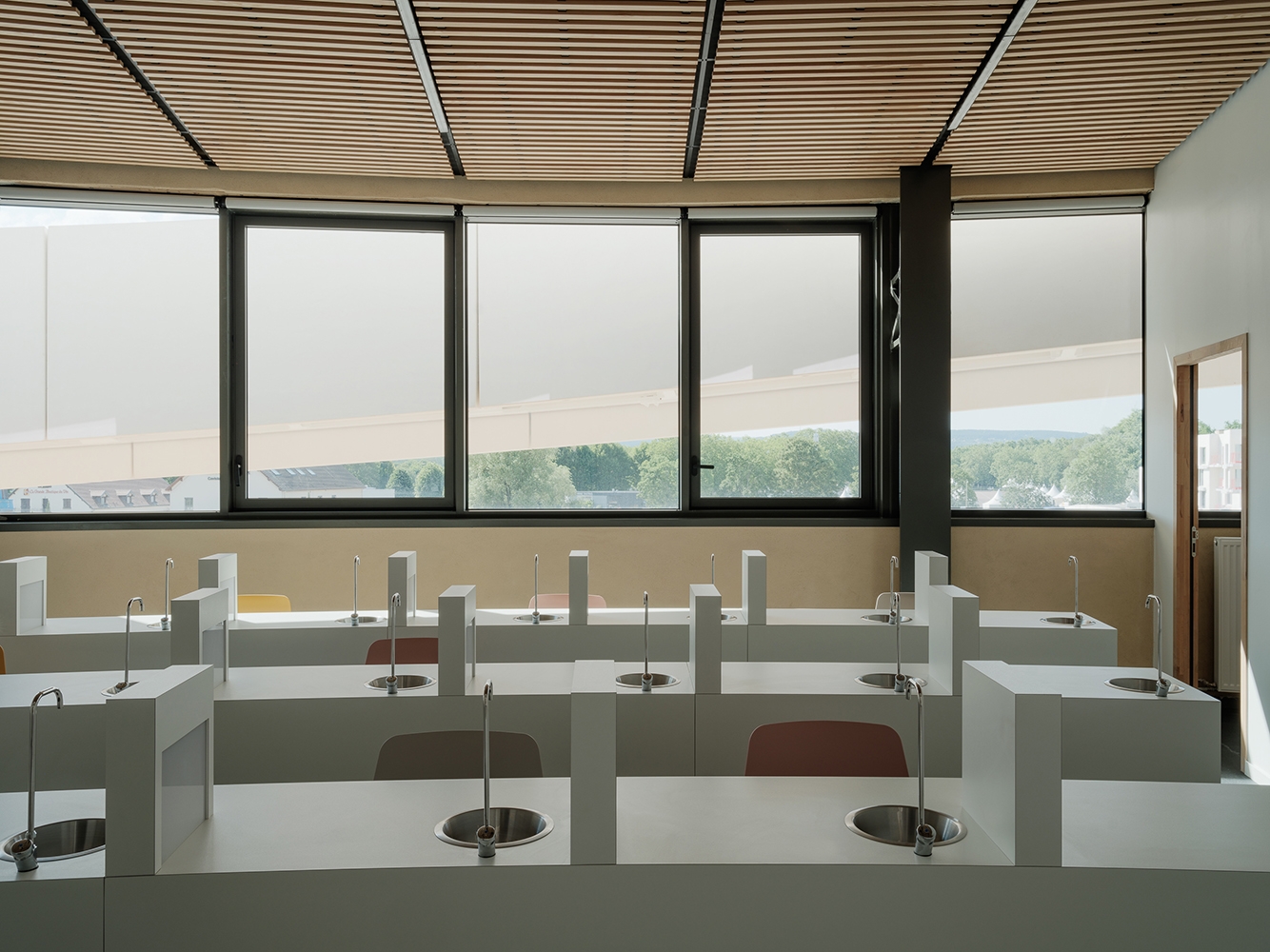
This innovative construction is inspired by the tendrils of a vine coiling around its trellis. The building is a model of eco-sustainable commitment. It promotes nobles and bio-sourced materials as burgundy stone, wood, hemp concrete and clay plaster.