EXPLORE THE IDA 2025 WINNERS - GET INSPIRED BY OUTSTANDING DESIGN!
Share on Social Media
Invisible Worlds, Exhibition Department at the American Museum of Natural History | International Design Awards Winners

Invisible Worlds

CompanyExhibition Department at the American Museum of Natural History
Lead DesignersMichael Meister, Director of Exhibition Design
Design TeamCine Ostrow, Senior Designer
Project LocationNew York, NY
Prize(s)Bronze in Cultural / Community Interior Design / Museums / Heritage Spaces, Bronze in Cultural / Community Interior Design / Galleries / Exhibition Spaces
Project LinkView
Entry Description

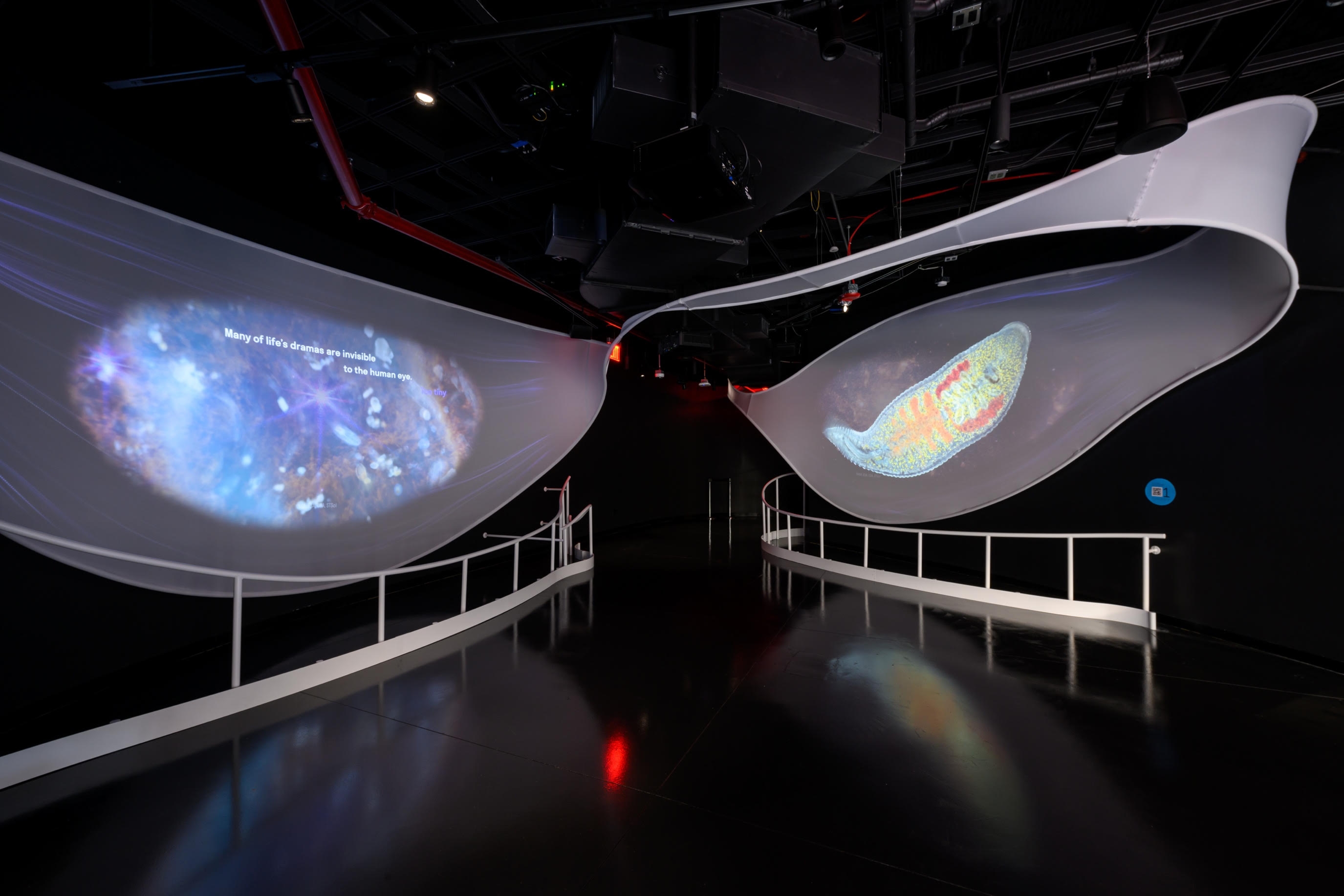
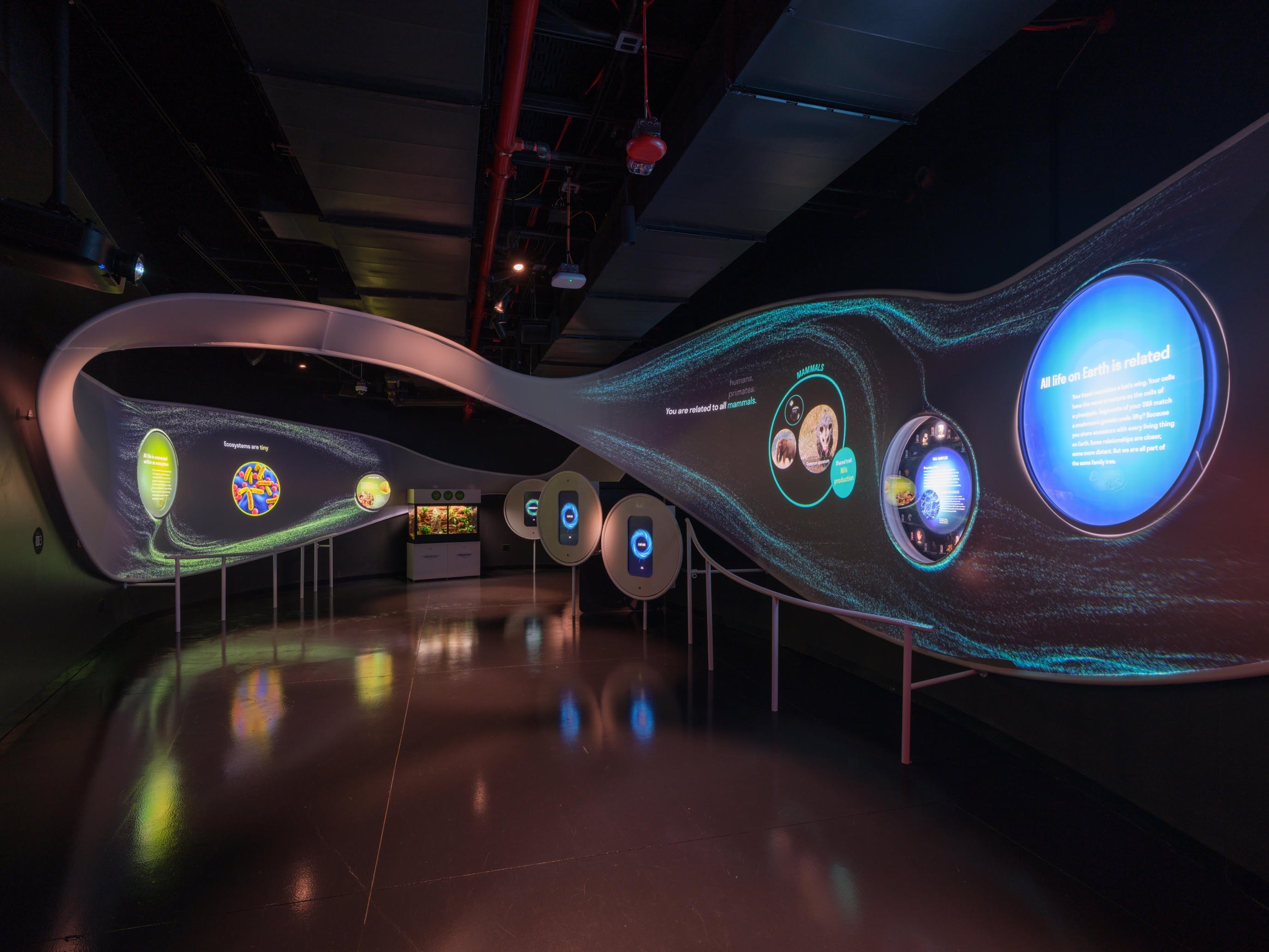
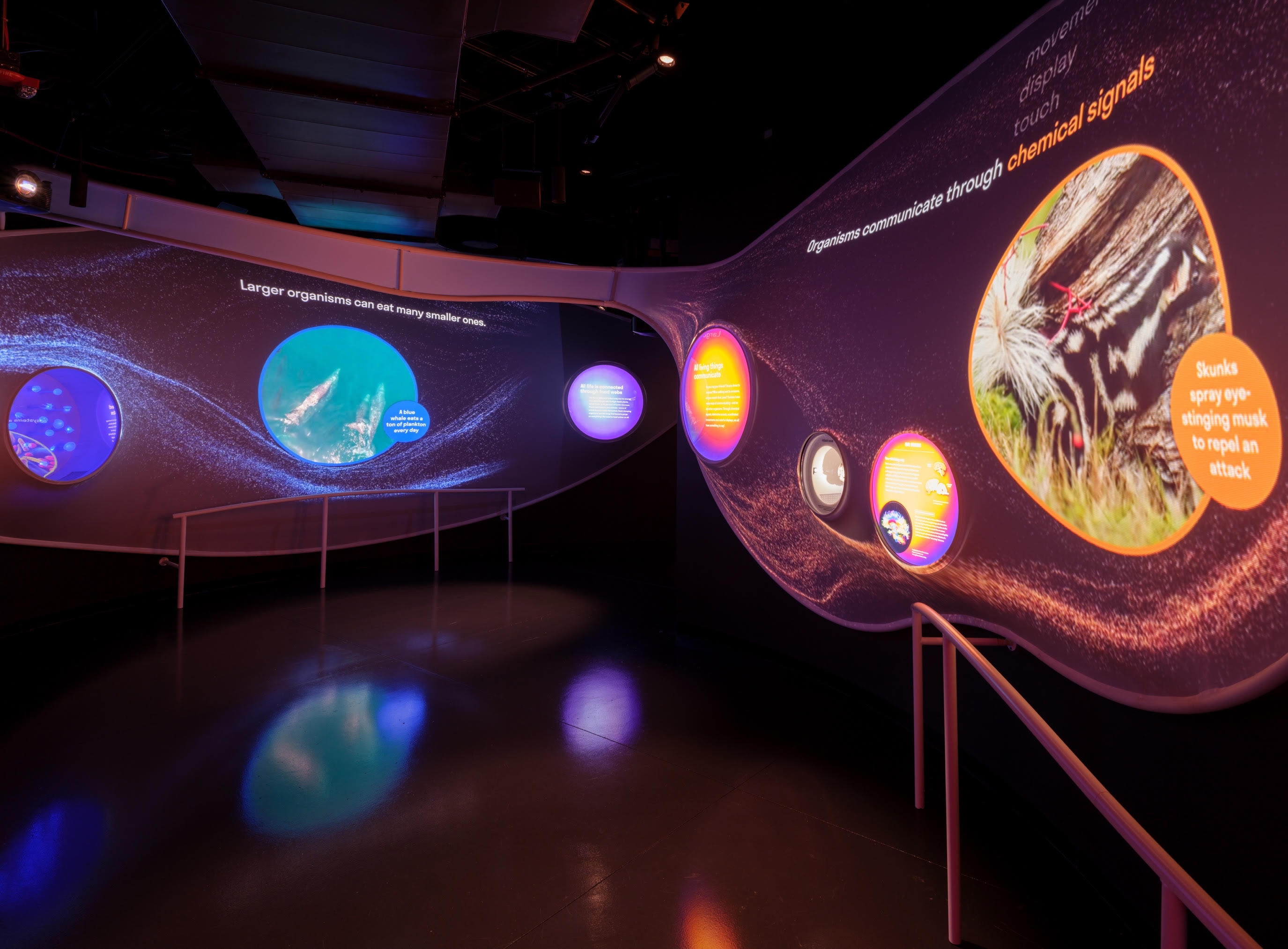
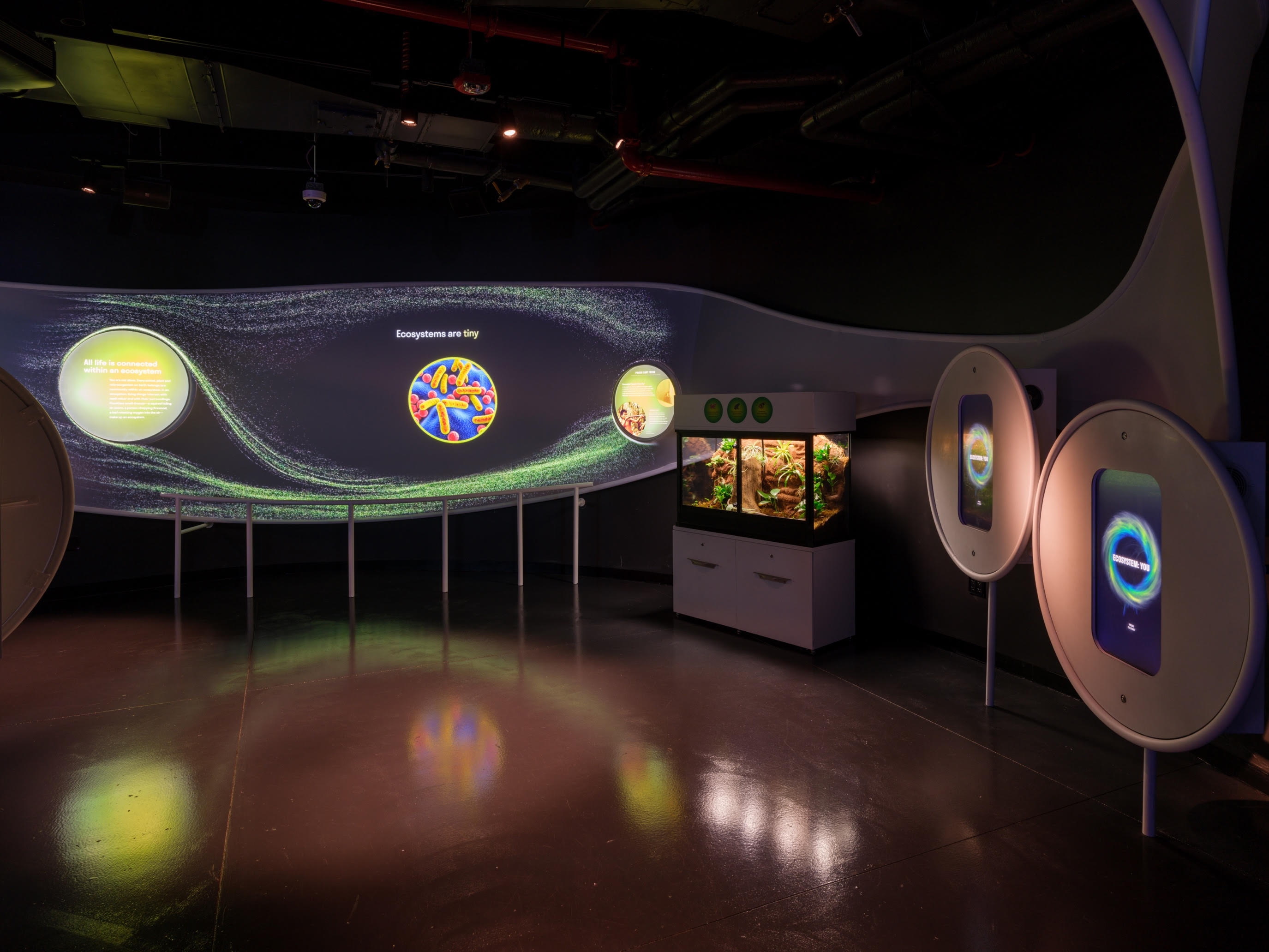
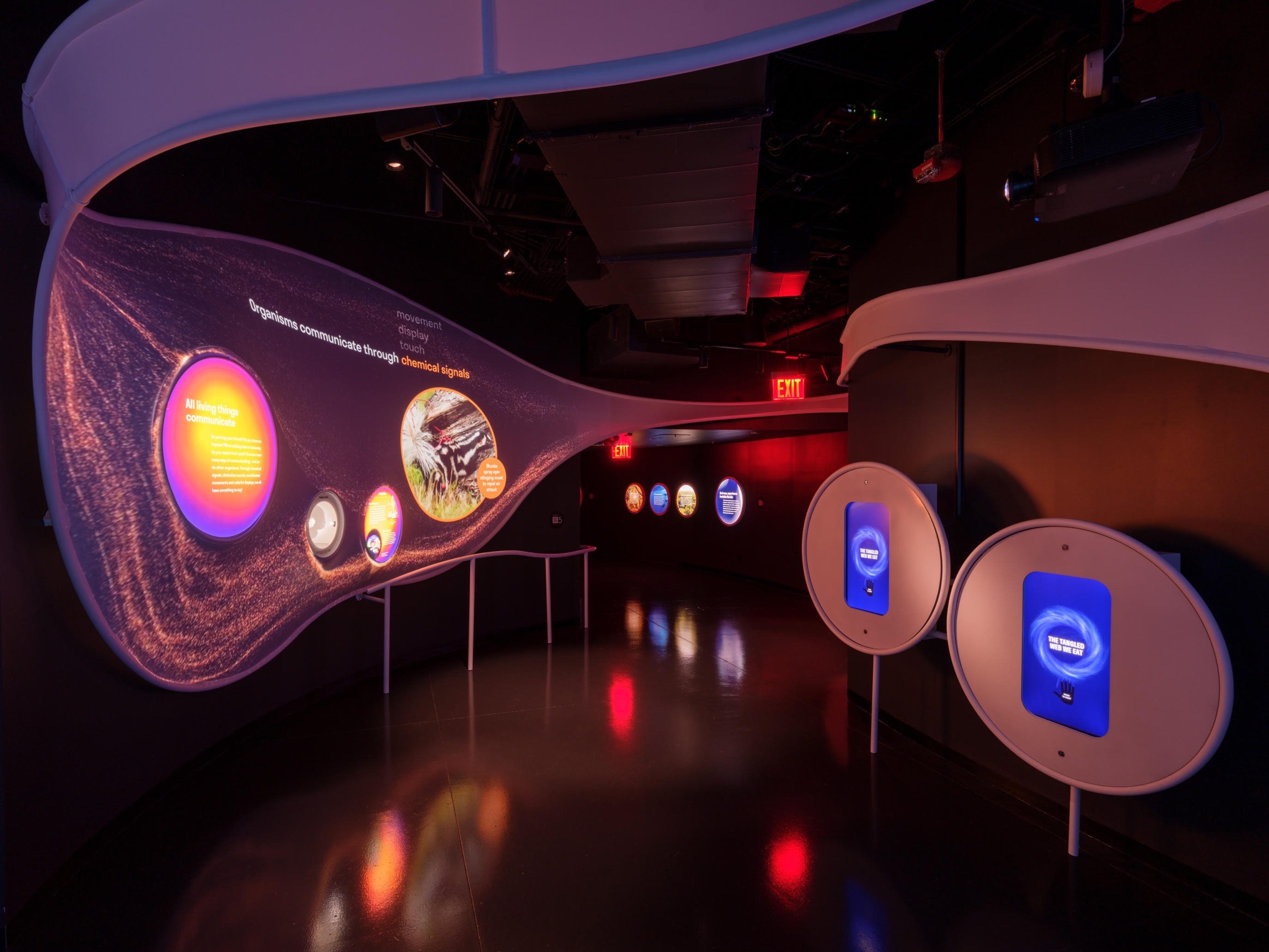
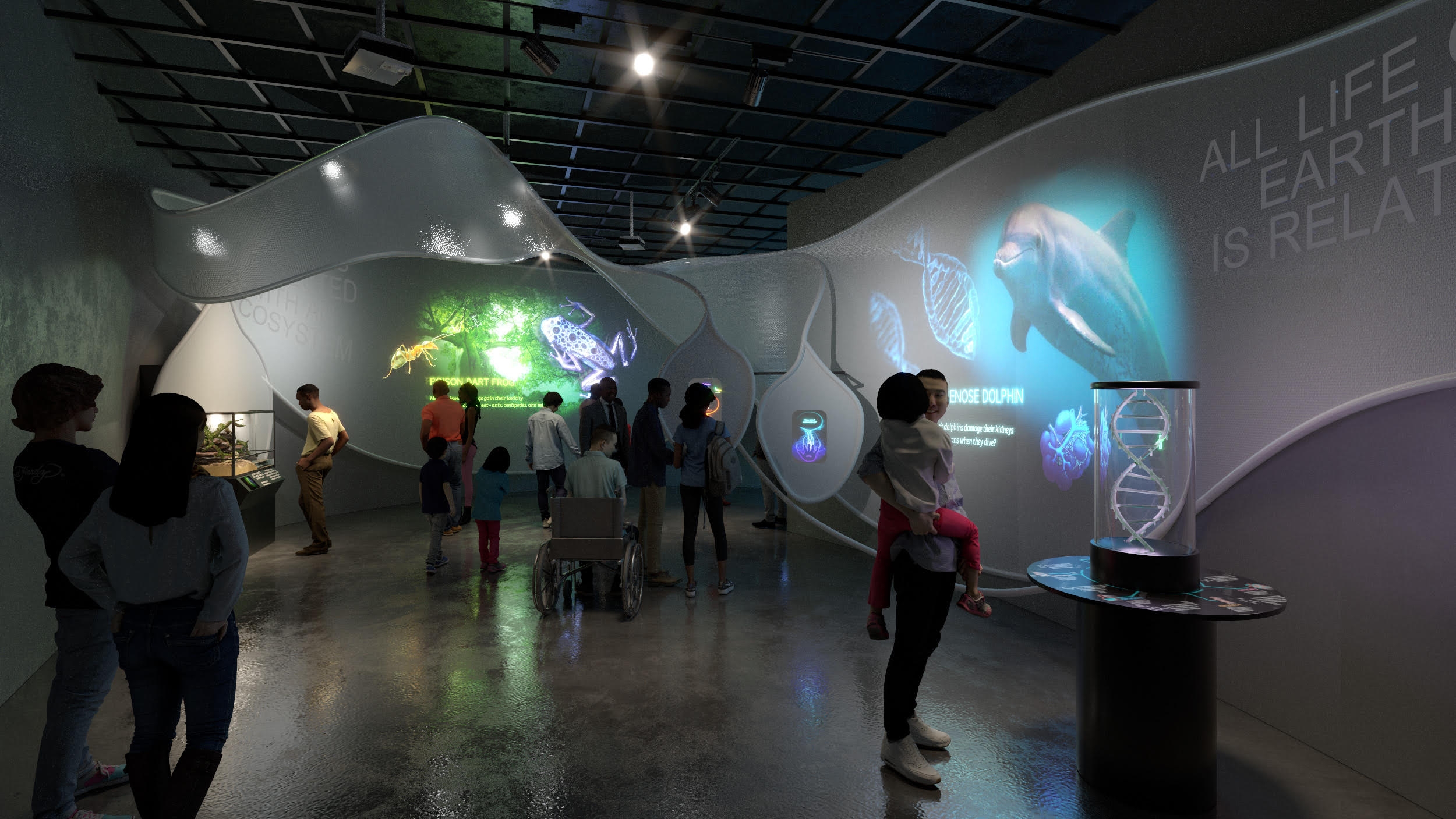
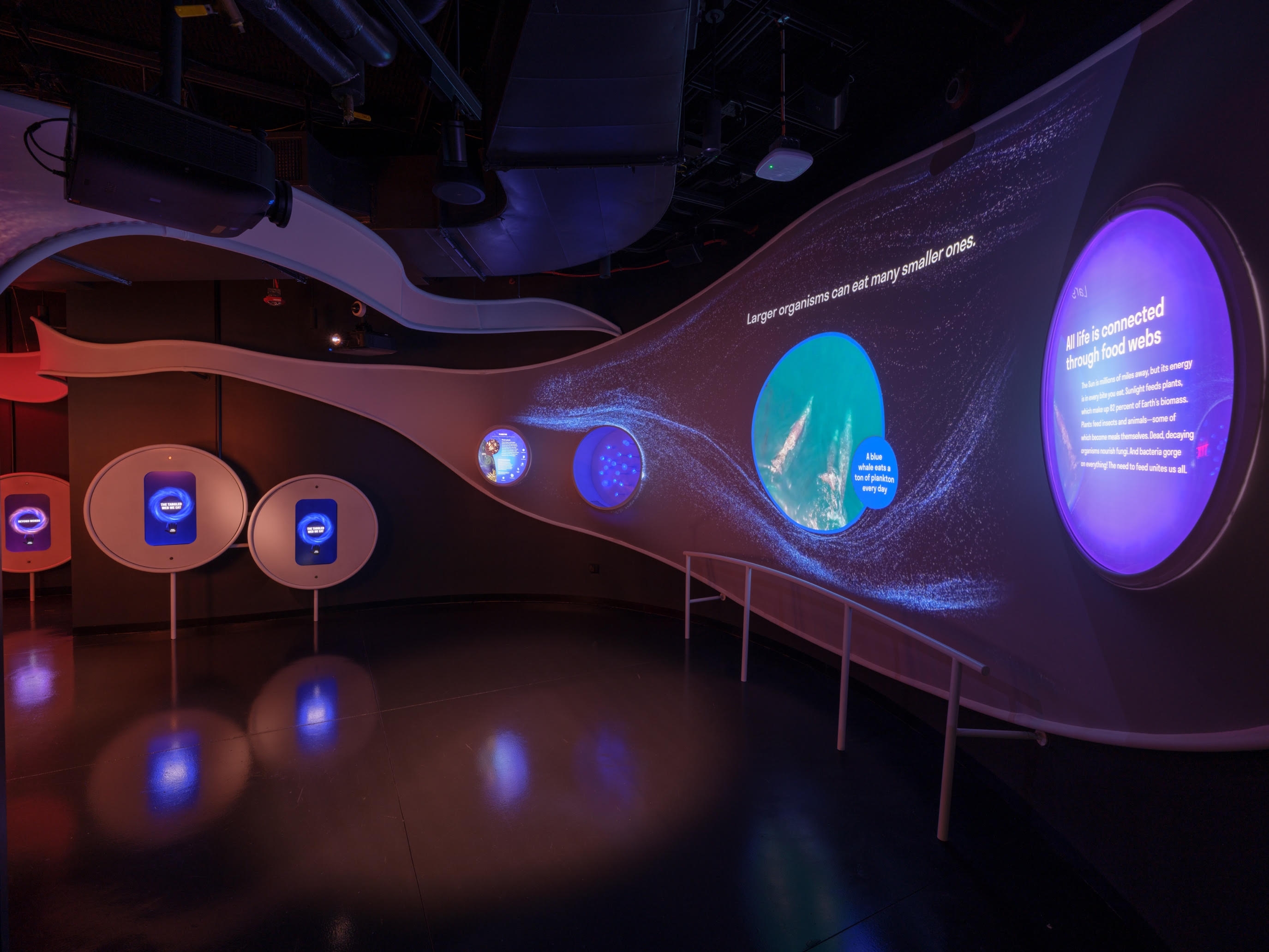
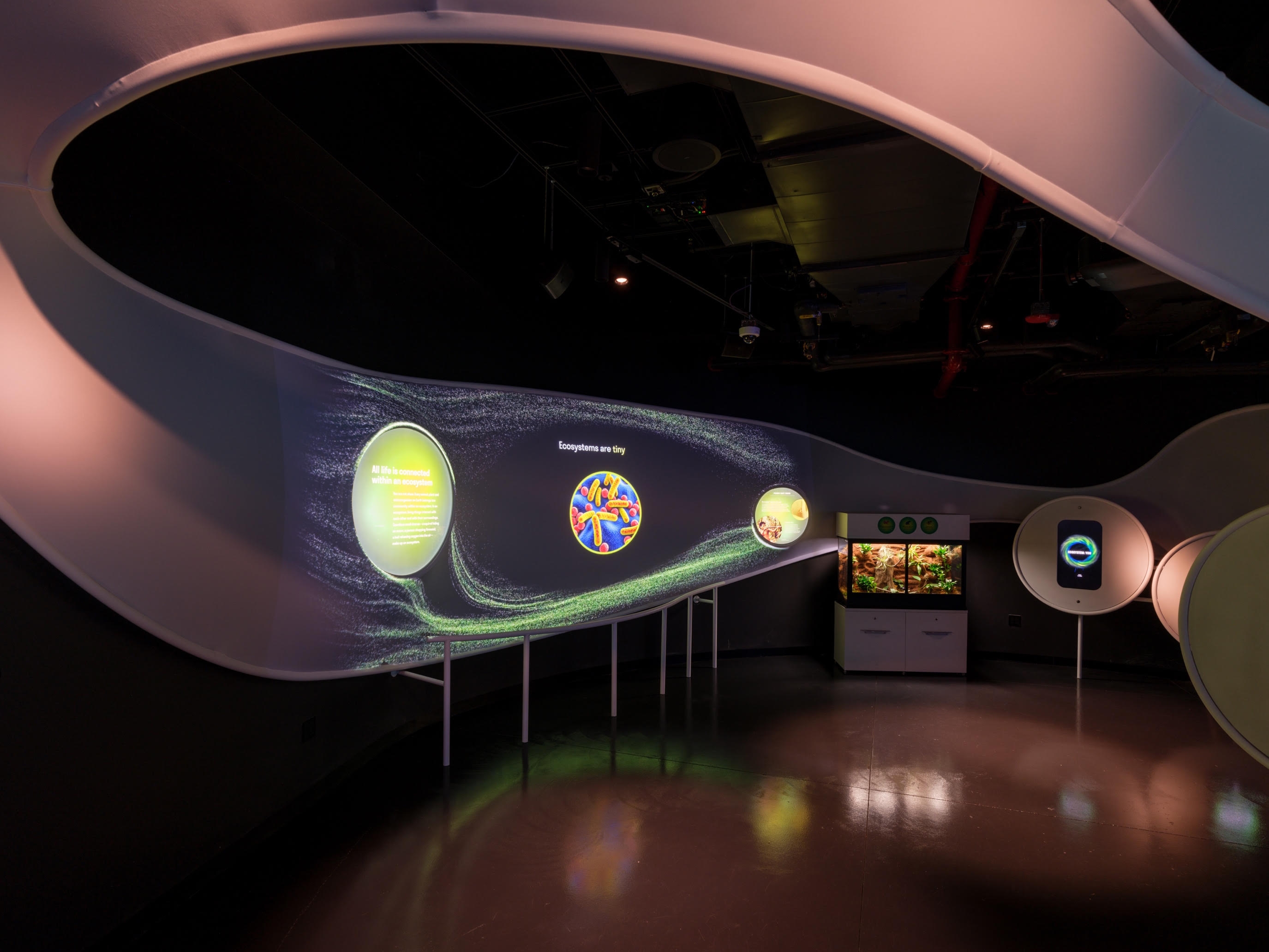
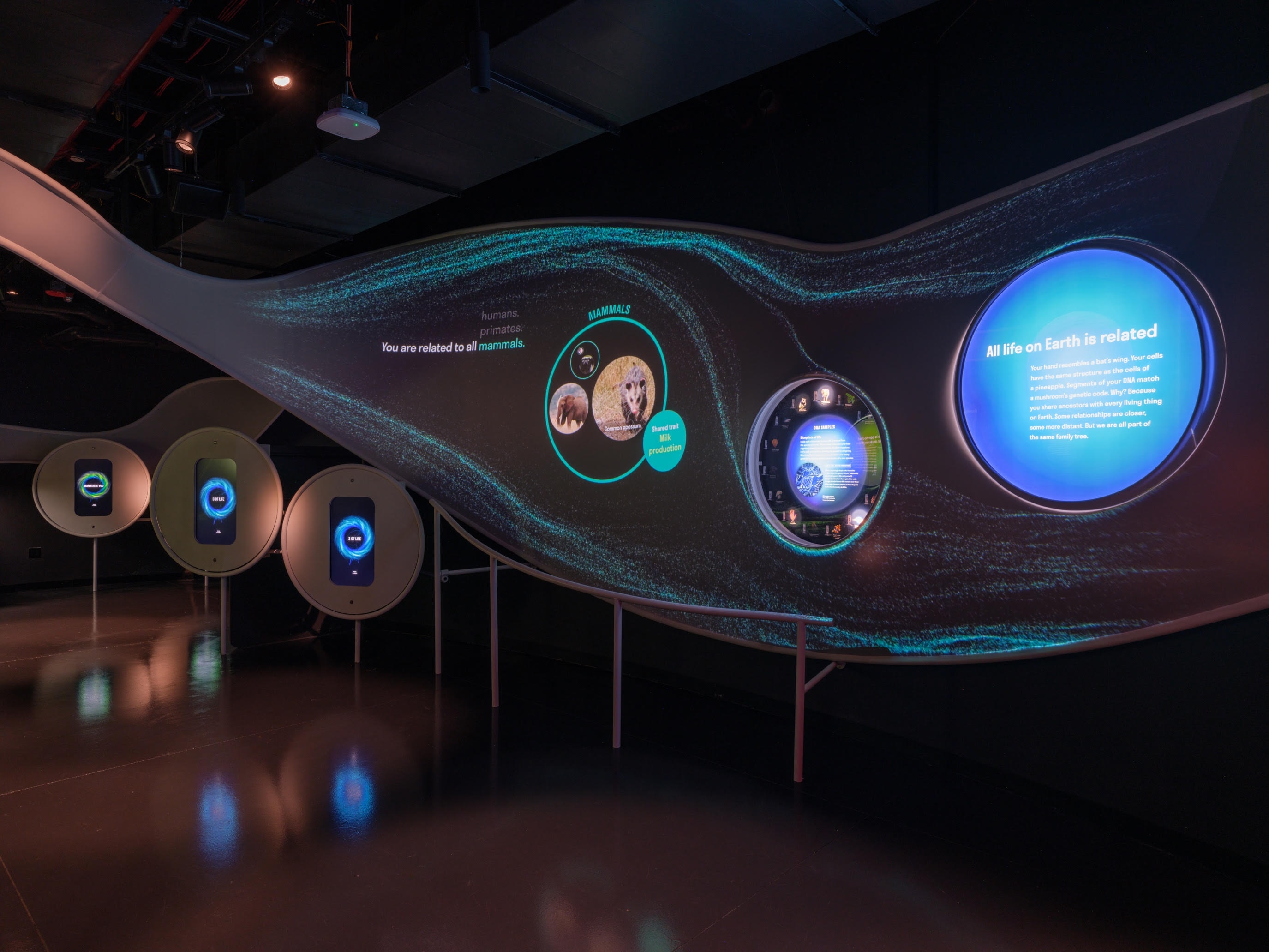
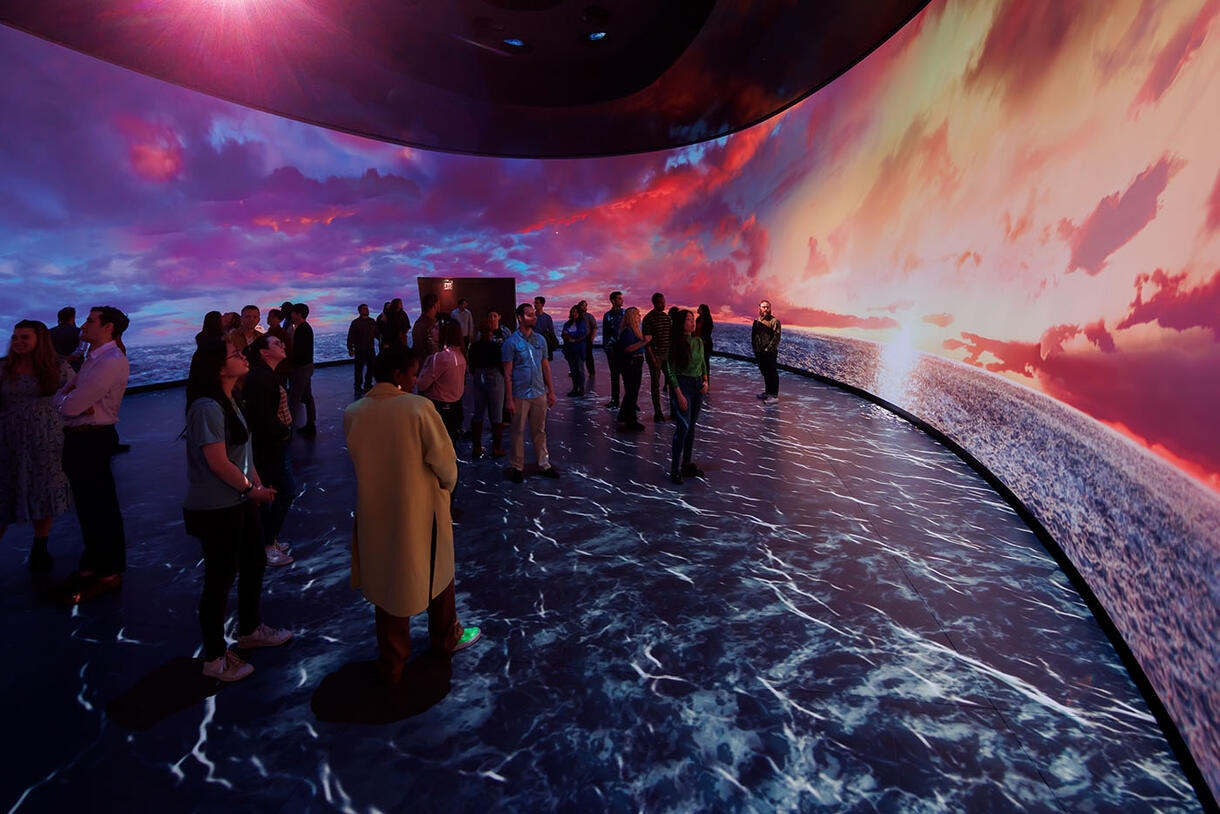
Invisible Worlds is a 360-degree immersive experience that offers an imaginative yet scientifically rigorous window into networks of plant, animal and human life at all scales. Visitors become part of the story as their movements affect the projections around them.

Made of curvilinear metal and stretched fabric, the serpentine ribbon layout of the exhibit complements the architectural style of the Gilder Center and serves as a visual metaphor for the main theme of the experience—that all life is connected by DNA, ecosystems, food webs and communication.